



Bak
Bak (BCL-2 homologous antagonist/killer) is a pro-apoptotic Bcl-2 family effector that executes intrinsic apoptosis by permeabilizing the mitochondrial outer membrane together with Bax[1]. Mechanistically, Bak activation enables mitochondrial outer membrane permeabilization, cytochrome c release, caspase activation, and apoptotic cell death[2]. In cancer-related models, dysregulated Bcl-2 family signaling supports apoptosis evasion, while Bak/Bax-dependent mitochondrial permeabilization remains a central checkpoint for therapeutic apoptosis induction[3]. Compared with Bax, Bak shows distinct regulatory behavior inside living cells, because Bcl-2 family interactome analysis indicates differences in Bax and Bak activation by anti-apoptotic and BH3-only proteins[4]. Bak also differs from Bax in mitochondrial targeting biology, since VDAC2 brings both effectors to mitochondria and forms a defined VDAC2-Bak complex that can modulate Bak apoptotic activity[1]. For experimental applications, large unilamellar vesicles provide a tractable biochemical model to test Bcl-2 family protein combinations and real-time membrane permeabilization by Bak/Bax-centered mechanisms[2]. Pharmacologically, interfaces regulating Bak activity may be targeted to inhibit excessive Bak-mediated apoptosis or promote Bak-mediated apoptosis for cancer therapy[1]. Small-molecule or peptide strategies that modulate Bcl-2 family interactions therefore remain practical tools for studying Bak-dependent mitochondrial apoptosis[3][2].
Verweise:
- [1]. Yuan Z, et al. Key residues in the VDAC2-BAK complex can be targeted to modulate apoptosis. PLoS Biol. 2024 May 2;22(5):e3002617. [Content Brief]
- [2]. Asciolla JJ, et al. Examining BCL-2 family function with large unilamellar vesicles. J Vis Exp. 2012 Oct 5;(68):4291. [Content Brief]
- [3]. Galluzzi L, et al. Targeting p53 to mitochondria for cancer therapy. Cell Cycle. 2008 Jul 1;7(13):1949-55. [Content Brief]
- [4]. Gonzalo Ó, et al. Study of the Bcl-2 Interactome by BiFC Reveals Differences in the Activation Mechanism of Bax and Bak. Cells. 2023 Mar 3;12(5):800. [Content Brief]
-
Bak Verwandte Produkte (14)
Verwandte Produkte (14)

-
Antibodies (2)
- 1
-
AVN-944
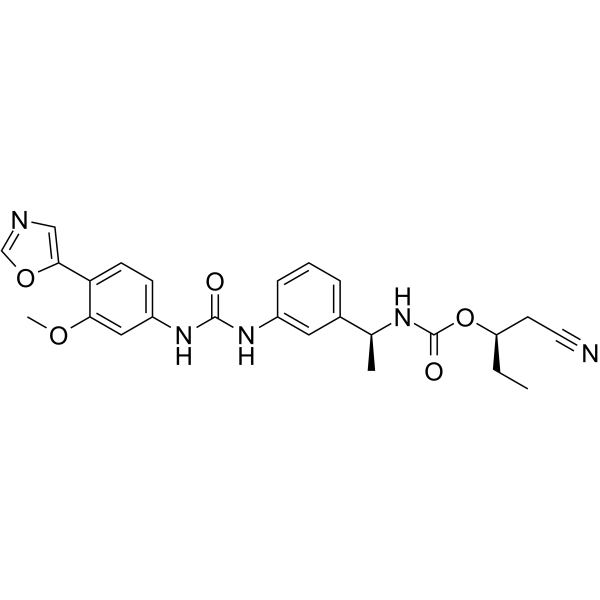 0 ImagesSynonyms: VX-944AVN-944 (VX-944) is an orally active, potent, selective, noncompetitive and specific inhibitor of IMPDH (inosine monophosphate dehydrogenase). AVN-944 is an essential rate-limiting enzyme in de novo guanine nucleotide synthesis. AVN-944 is also an inhibitor of arenavirus RNA synthesis, and blocks arenavirus infection. AVN-944 has broad anti-cancer activities, and can be used for multiple myeloma (MM) and acute myeloid leukemia (AML) research.
-
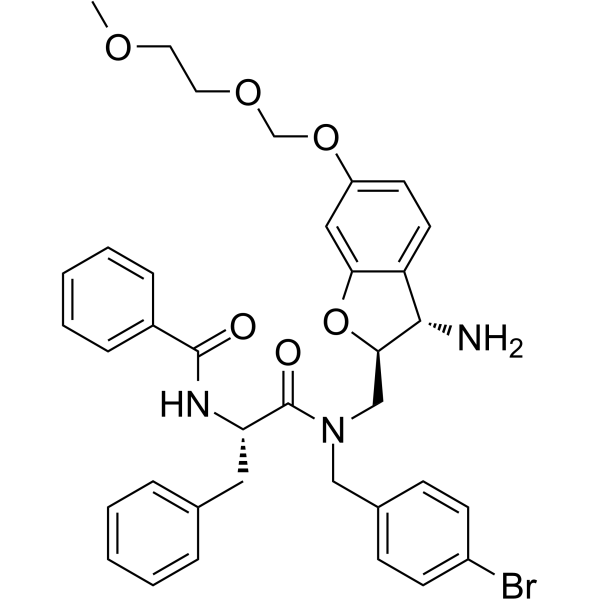
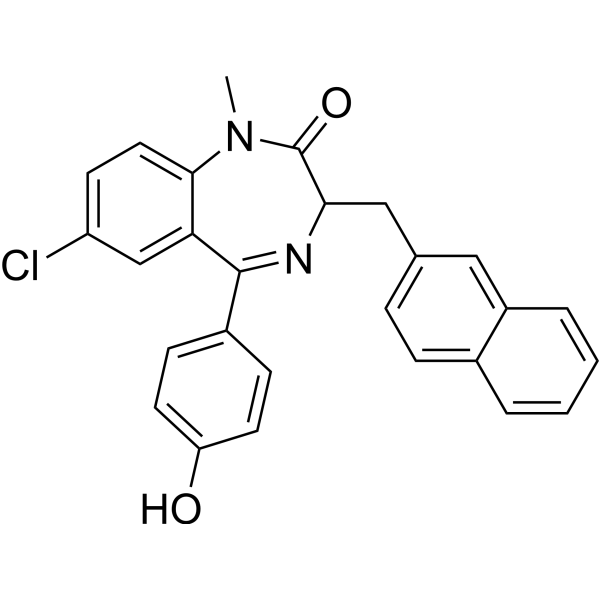
MSN-125
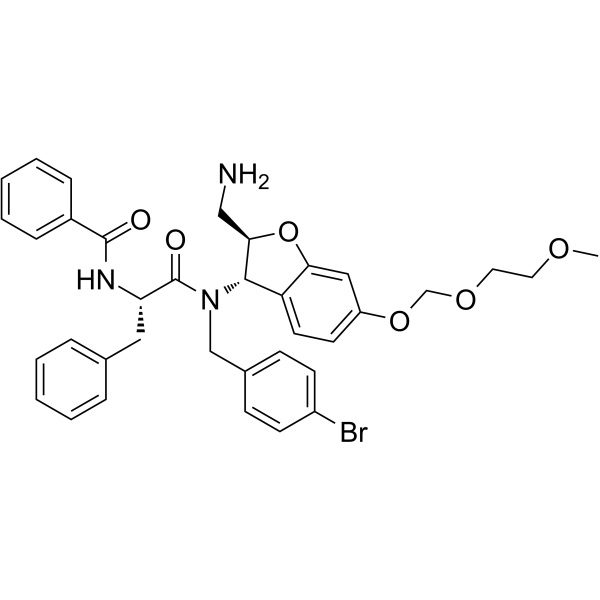 0 ImagesMSN-125 is a potent Bax and Bak oligomerization inhibitor. MSN-125 prevents mitochondrial outer membrane permeabilization (MOMP) with an IC50 of 4 μM. MSN-125 potently inhibits Bax/Bak-mediated apoptosis in HCT-116, BMK Cells, and primary cortical neurons, protects primary neurons against glutamate excitotoxicity.
-
Triptophenolide
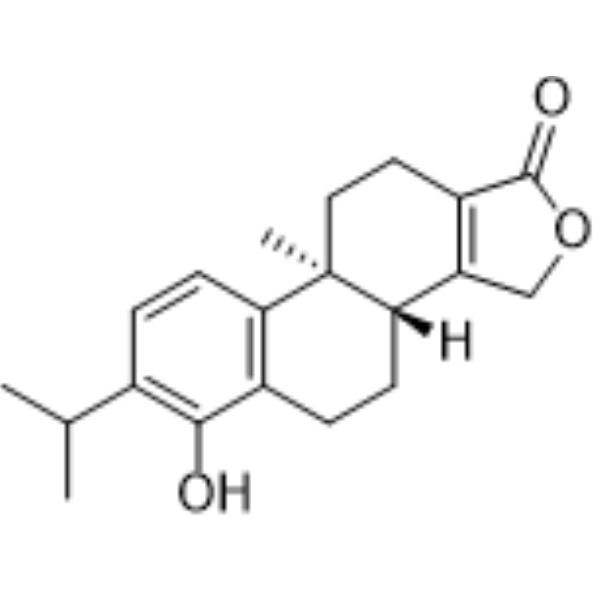 0 ImagesSynonyms: Hypolide; (+)-TriptophenolideTriptophenolide (Hypolide) is a colorless crystal isolated from the ethyl acetate extract of Tripterygium wilfordii. Triptophenolide is an orally active pan‑antagonist of the androgen receptor (AR) with an IC50 of 467 nM against human wild‑type AR. Triptophenolide reduces AR expression, inhibits AR nuclear translocation, downregulates prostate‑specific antigen mRNA levels, and suppresses the growth of AR‑positive prostate cancer cells. Triptophenolide shows anti-tumor effects against breast cancer by inhibiting cell proliferation and migration, inducing G1-phase arrest and apoptosis, repressing xenograft tumor growth. Triptophenolide inhibits pyroptosis, alleviates tissue inflammation, and ameliorates synovial injury. Triptophenolide can be used for the study of prostate cancer, rheumatoid arthritis and breast cancer.
-
Scoulerine hydrochloride
 0 ImagesArt. -Nr.: HY-N1255ACAS. Nr.: 51486-68-1Synonyms: (-)-Scoulerine hydrochloride; Discretamine hydrochlorideScoulerine ((-)-Scoulerine; Discretamine) hydrochloride is a multi-target inhibitor with anti-tumor and antioxidant activities. Scoulerine hydrochloride mainly targets the PI3K/Akt/mTOR signaling axis and α1D-adrenergic receptor, disrupts microtubule structure, and induces cell cycle arrest and apoptosis. Scoulerine hydrochloride effectively inhibits mitochondrial dehydrogenase activity, targets GABA receptors and BACE1, and suppresses the proliferation, migration, invasion, epithelial-mesenchymal transition and stem cell properties of cancer cells. Scoulerine hydrochloride also exhibits multiple pharmacological activities including anti-Plasmodium falciparum, antibacterial, antiemetic and antitussive effects, and regulates endoplasmic reticulum stress and mitochondrial function (modulates Bax, Bcl-2 and cytochrome c). Scoulerine hydrochloride is applicable to research related to leukemia, ovarian cancer, and colorectal cancer.

-
Mcl-1-IN-23
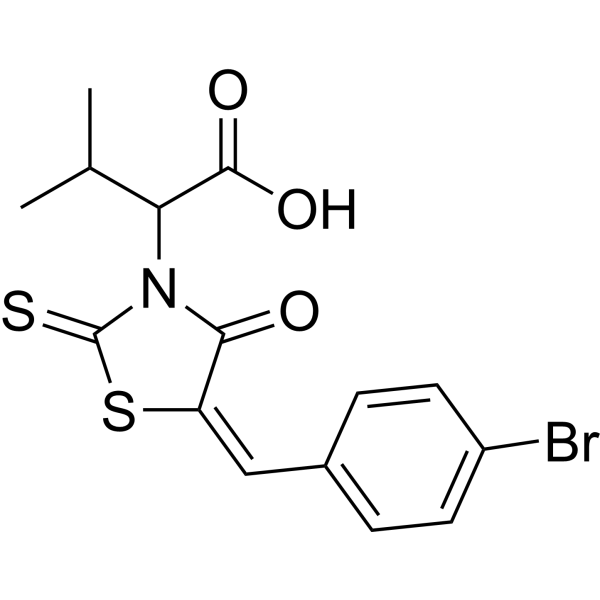
 0 ImagesArt. -Nr.: HY-184310CAS. Nr.: 2756736-34-0Mcl-1-IN-23 is a Mcl-1 inhibitor with a Ki value of 0.024 μM. Mcl-1-IN-23 binds directly to Mcl-1 and displaces the pro-apoptotic proteins Bak and Bim from Mcl-1 complexes. Mcl-1-IN-23 induces cell apoptosis, activates caspase-3, promotes PARP cleavage, and exerts antiproliferative activity against cancer cells. Mcl-1-IN-23 can be used for the research of leukemia.
-
WEHI-3773
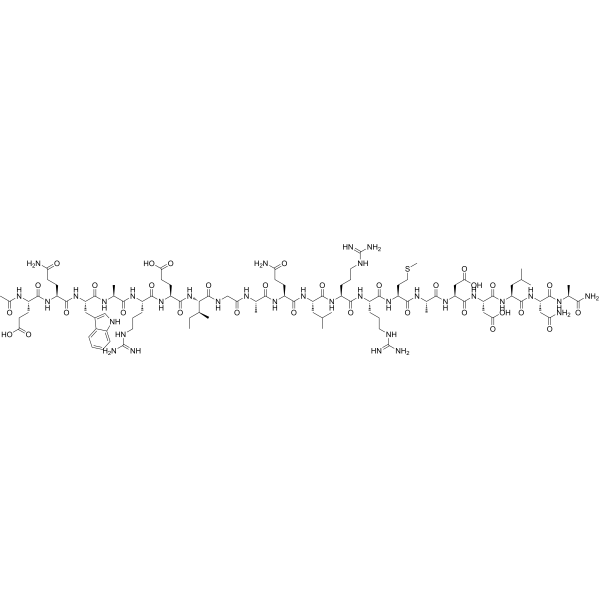
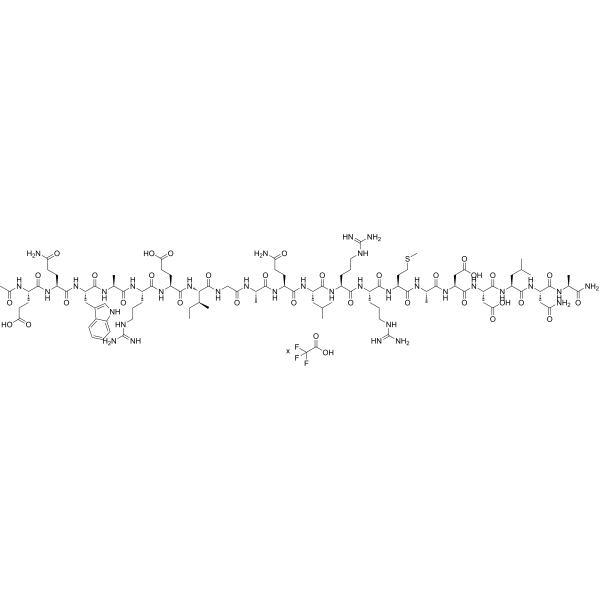
 0 ImagesArt. -Nr.: HY-172262WEHI-3773 is a VDAC2 ligand and apoptosis modulator. WEHI-3773 directly binds to the β7-β10 region of VDAC2 and disrupts its interaction with BAX and BAK. WEHI-3773 regulates BAX-mediated apoptosis in BAK-deficient cells by modulating conformational activation of BAX, mitochondrial redistribution, and cytochrome c release. WEHI-3773 overcomes Venetoclax (HY-15531) resistance, resensitizes leukemia cells carrying BAX mutations to BH3 mimetics, and enables long-term clonogenic survival of BAK-deficient cells treated with BH3 mimetics. WEHI-3773 is applicable to research related to acute myeloid leukemia.
-
Triptophenolide (Standard)
 0 ImagesArt. -Nr.: HY-N0475RCAS. Nr.: 74285-86-2Synonyms: Hypolide (Standard); (+)-Triptophenolide (Standard)Triptophenolide (Standard) (Hypolide) is the analytical standard of Triptophenolide (HY-N0475). This product is intended for research and analytical applications. Triptophenolide is a colorless crystal isolated from the ethyl acetate extract of Tripterygium wilfordii. Triptophenolide is an orally active pan‑antagonist of the androgen receptor (AR) with an IC50 of 467 nM against human wild‑type AR. Triptophenolide reduces AR expression, inhibits AR nuclear translocation, downregulates prostate‑specific antigen mRNA levels, and suppresses the growth of AR‑positive prostate cancer cells. Triptophenolide shows anti-tumor effects against breast cancer by inhibiting cell proliferation and migration, inducing G1-phase arrest and apoptosis, repressing xenograft tumor growth. Triptophenolide inhibits pyroptosis, alleviates tissue inflammation, and ameliorates synovial injury. Triptophenolide can be used for the study of prostate cancer, rheumatoid arthritis and breast cancer.
-
Thaspine acetate
 0 ImagesArt. -Nr.: HY-122481CAS. Nr.: 74578-01-1Thaspine acetate, an alkaloid, is a topoisomerase I and II inhibitor. Thaspine acetate induces cancer cell apoptosis. Thaspine acetate induces Bak and Bax activation, mitochondrial cytochrome c release and mitochondrial membrane permeabilization. Thaspine acetate can be isoalted from the cortex of the South American tree Croton lechleri.
- 1




